The Whistler's journal
Frozen Custard vs. Ice Cream: What Changes?
A closer look at why two classic dairy desserts can feel so different from the first spoonful.
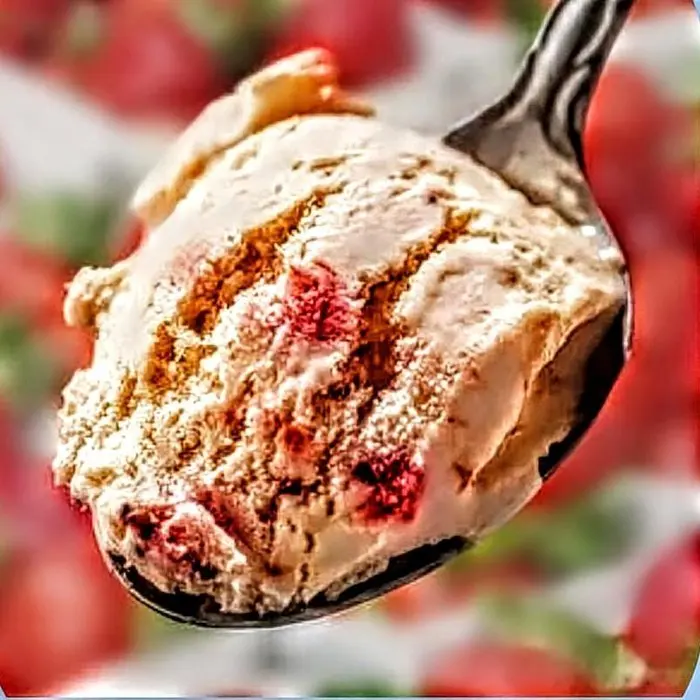
Frozen custard and ice cream have plenty in common: dairy, sweetness, cold comfort, and an impressive ability to improve an ordinary afternoon. The difference is real, though. Traditional frozen custard uses egg yolk, is often made with less air, and is frequently served fresh from the freezer. Those details give it the dense, silky personality that makes a plain scoop feel like an occasion.
The short answer: egg yolk changes the category
In the United States, the clearest distinction is egg yolk. Federal standards for ice cream and frozen custard set different egg-yolk-solids rules. Plain frozen custard must have at least 1.4 percent egg-yolk solids by weight, while ordinary ice cream stays below that threshold. Both are frozen dairy desserts, and both generally begin with milk or cream, sweetener, and flavorings.
That does not mean every ice cream is egg-free. A recipe can include some egg yolk and still be sold as ice cream if it stays below the standard's threshold. It also does not mean every custard tastes identical. Vanilla, chocolate, fruit, caramel, mix-ins, and the maker's recipe all have their say. The category tells you something useful about the base, but it cannot predict every bite.
For a specific scoop, ingredients are more helpful than labels alone. That matters especially for anyone avoiding dairy or eggs. Our guide to whether frozen custard has dairy explains why a classic custard base is different from a rotating sorbet or plant-based frozen dessert.
Why frozen custard often feels denser
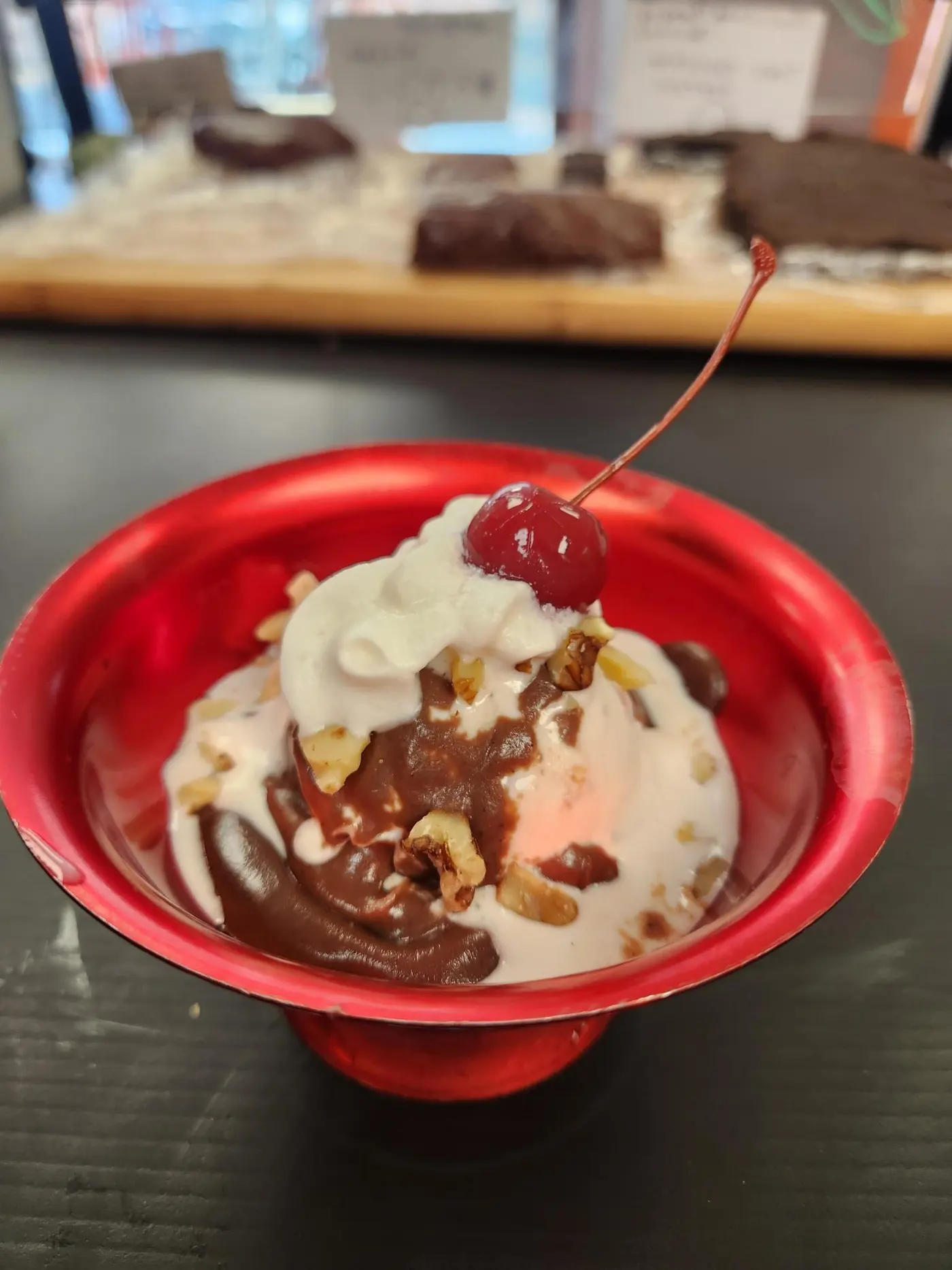
Egg yolk brings more than a familiar custard flavor. Yolks contain emulsifiers that help fat and water stay smoothly blended, contributing to a full, velvety texture. The amount of air worked into the mix matters as well. In frozen-dessert language, that increase in volume from whipped-in air is called overrun.
More air can make a frozen dessert feel lighter. Less air can make it feel compact, creamy, and almost plush on the spoon. Frozen custard is commonly made with less air than many styles of ice cream, which is why people often describe it as dense. That is a useful tasting shortcut, not a promise that applies to every brand, recipe, or freezer. A carefully made premium ice cream can also be wonderfully dense.
Temperature joins the conversation too. Fresh custard is often served directly from a continuous freezer at a softer, ready-to-eat temperature. A hard-packed pint is meant to wait in a colder freezer before being scooped. Put the same dessert in different conditions, and it can seem like an entirely new creature. Softness tells you how it is being served, not necessarily what it is made from.
Ingredients: cousins, not twins
A straightforward ice-cream base usually includes milk or cream, sugar, and flavorings. Frozen custard starts in similar territory but adds egg yolk in the amount needed for its name. From there, both can take a very long walk through the flavor cabinet: vanilla bean, dark chocolate, fruit, coffee, caramel, cookies, nuts, candy, and enough sauce to require a proper spoon.
Milkfat is not the deciding factor between the two categories. The federal standard sets a minimum milkfat level for both, while individual recipes can land above that line for all kinds of reasons. One scoop of ice cream may have more fat than one scoop of custard, or the reverse. A description like “extra creamy” is a clue about a maker's style, not a nutritional verdict.
Mix-ins make comparisons even less tidy. A fruit ripple, cookie pieces, or a generous pour of hot fudge changes more than the flavor. Serving size and toppings can quickly become the biggest difference between two desserts that began with very similar bases. This is excellent news for anyone choosing by joy, and sensible context for anyone choosing around ingredients or nutrition.
Flavor and texture: what you notice at the counter
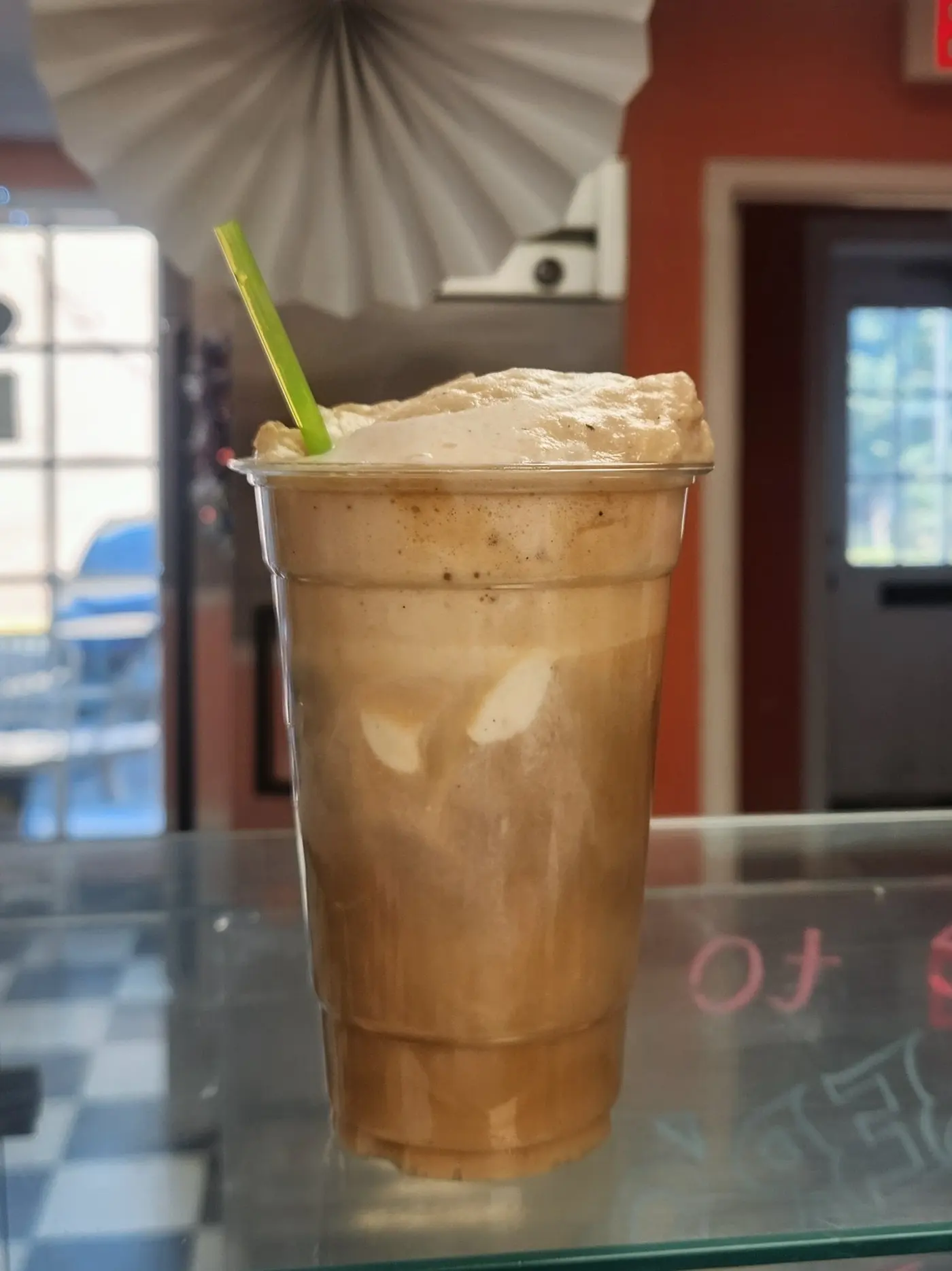
Frozen custard tends to announce itself with a slower, silkier melt. It clings pleasantly to the spoon, makes a strong case for a simple vanilla cone, and gives a sundae a lush base for sauces and crunch. The egg-yolk base can lend a round, almost buttery note, even before the flavor itself starts talking.
Ice cream can be just as rich, but it often feels lighter and more open in texture. That can make a bright fruit flavor feel especially lively or let a swirled mix-in take center stage. It is also a broad category, so there is room for airy old-fashioned styles, dense premium pints, and just about every texture in between.
Neither one wins by default. Choosing frozen custard is a lovely move when you want a close, creamy, old-fashioned scoop. Choosing ice cream is a lovely move when you want a familiar favorite, a particularly playful flavor, or simply the pint that caught your eye. Taste is not a test, and dessert does not need a winner's podium.
Is one healthier than the other?
Not automatically. The name “frozen custard” does not tell you the calories, added sugar, saturated fat, or portion size of a particular serving. The same is true for ice cream. A smaller plain scoop and a large loaded sundae are not really competing in the same category, even if their base happens to be.
If nutrition is part of the decision, compare the actual product and portion. The USDA's FoodData Central is a useful public reference for exploring food nutrition information, while a shop's own nutrition or ingredient information is the better source for a particular item. For an allergy, a dietary restriction, or a medical question, the current ingredient list and a conversation with the person serving the dessert matter more than a broad comparison article.
There is no need to turn that practical advice into a lecture. A treat can be chosen for celebration, comfort, curiosity, or because it is a sunny afternoon and you are standing near a scoop shop. Good information simply lets you choose the kind of treat that feels right for you.
How to choose between frozen custard and ice cream
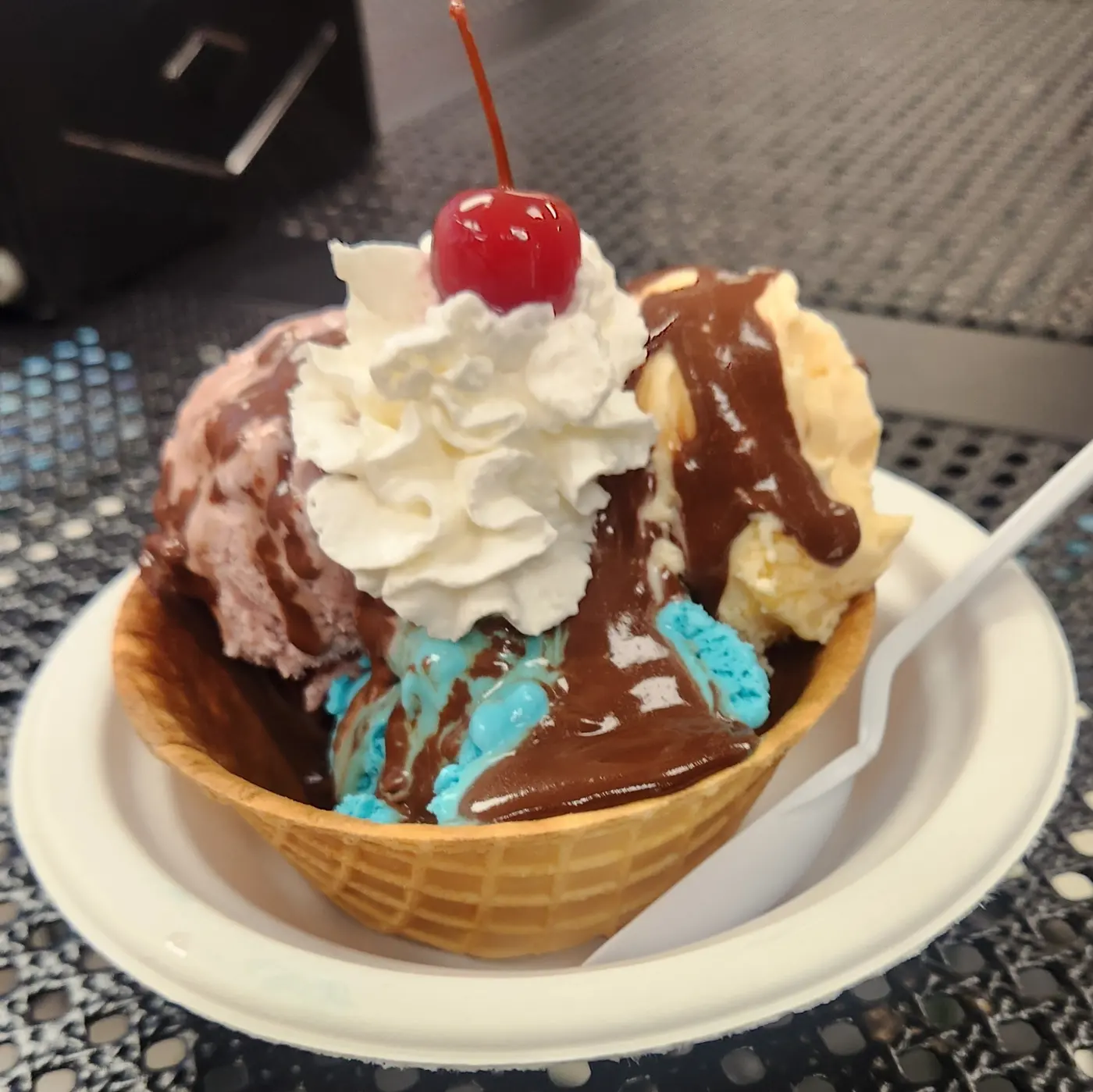
Start with the experience you want. If you are hoping for something especially smooth, dense, and quietly indulgent, frozen custard is a natural place to begin. It shines in a cup or cone when you want to pay attention to the base, and it has enough structure to stand up beautifully to a classic sundae.
If your craving is all about a particular flavor or mix-in, ice cream may be exactly the answer. The category is wonderfully expansive. A fresh fruit swirl, a favorite pint from the freezer, or a scoop piled into a birthday cake can be the perfect choice with no further debate.
For a group, let everyone choose their own lane. One person can have a traditional custard cone while another goes for a dairy-free sorbet or a plant-based option. The best scoop-shop ritual is not proving that one dessert is superior. It is giving everyone a little moment they are pleased to carry back to the table.
What that means at Whistler's
Whistler's is built around French-custard-style ice cream, made for guests who love a rich, creamy scoop with old-world character. A simple cup lets the texture do its thing. A cone takes it for a walk down Maple Avenue. A sundae, shake, or float takes the same rich base somewhere more playful.
The flavor page is a useful place to start when you are choosing a mood, and the menu shows the many ways a scoop can become a proper treat. If dietary needs matter, ask at the counter about the current lineup. Whistler's also rotates dairy-free sorbets and coconut-based plant-based flavors, and the best answer is always the one tied to today's case.
Want the deeper backstory behind that first silky spoonful? Our article on what frozen custard is looks more closely at its egg-yolk base, churn, and classic appeal. Or, if you already know what you are in the mood for, the only research left is deciding on sauce.
Settle the question deliciously
Take your taste buds for a walk.
Stop by Whistler's in Vienna for a rich French-custard-style scoop, a sundae with the works, or a current dairy-free option.
Plan your visitA few more scoop notes
Frozen custard and ice cream questions
Is frozen custard just ice cream with eggs?
Egg yolk is the defining ingredient in traditional frozen custard, but it is not the whole experience. The recipe, amount of air worked in during freezing, and serving temperature all influence how the finished scoop feels. An ice cream can contain a little egg yolk too, so an ingredient list is the best answer for a specific product.
Is frozen custard healthier than ice cream?
Neither name tells you the nutrition of a particular scoop. Calories, saturated fat, sugar, and serving size vary by recipe, flavor, and toppings. If nutrition is part of your choice, compare the information for the specific product rather than assuming one category is always lighter.
Is frozen custard softer than ice cream?
Fresh-drawn frozen custard is often served softer than a hard-packed pint, but softness is a serving choice, not the definition. A custard can firm up in a home freezer, and ice cream can be served soft. The egg-yolk content is the formal distinction in the United States.
Does frozen custard contain dairy?
Traditional frozen custard contains dairy and egg yolk. Whistler's also rotates dairy-free sorbets and coconut-based plant-based flavors, but availability and ingredients change, so it is best to ask about the current case before ordering.
Keep exploring
Related posts
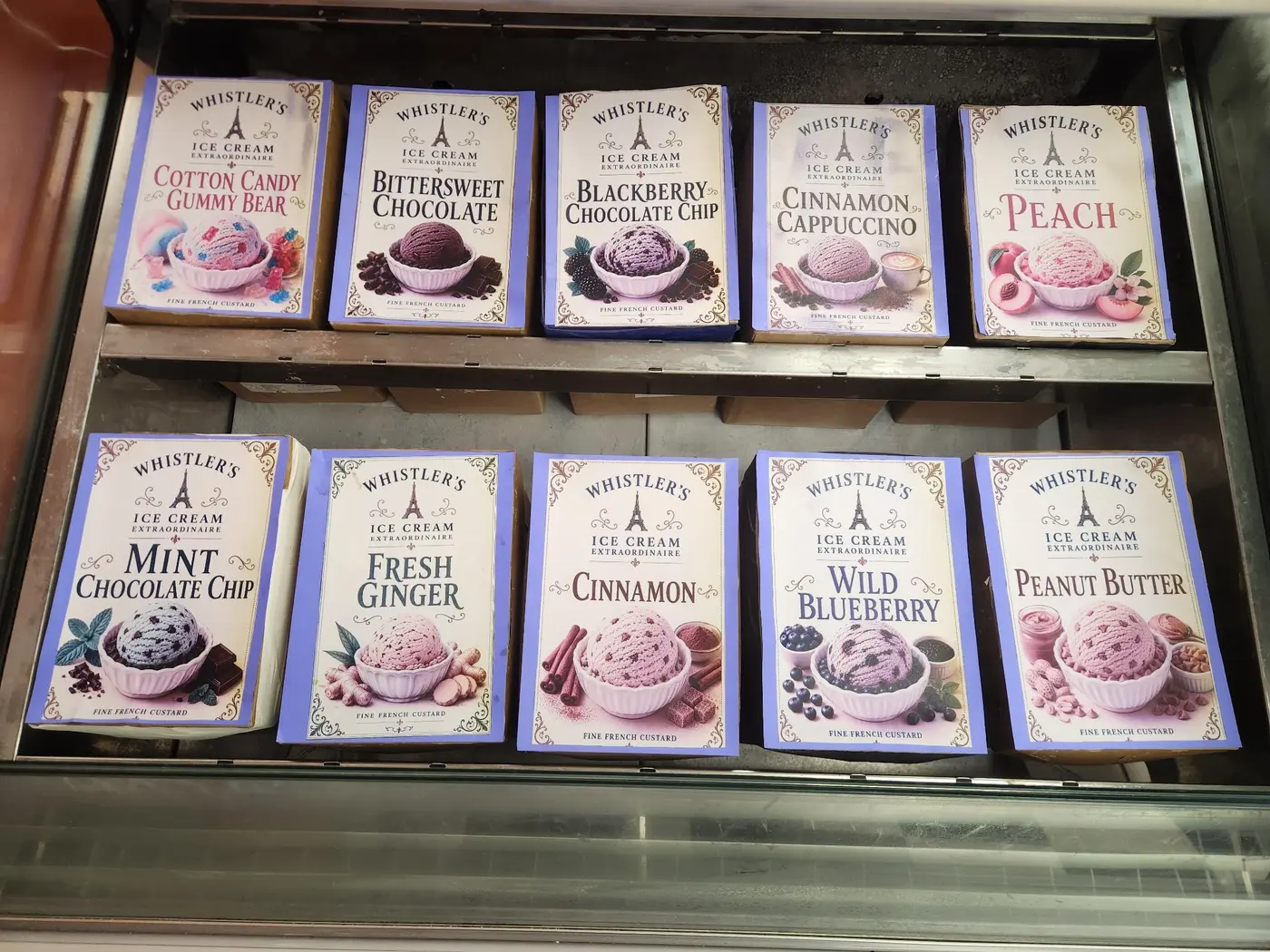
What Is Frozen Custard? A Smooth, Rich Guide
Get to know the egg-yolk base, gentle churn, and little details behind a richer kind of scoop.
Read the article →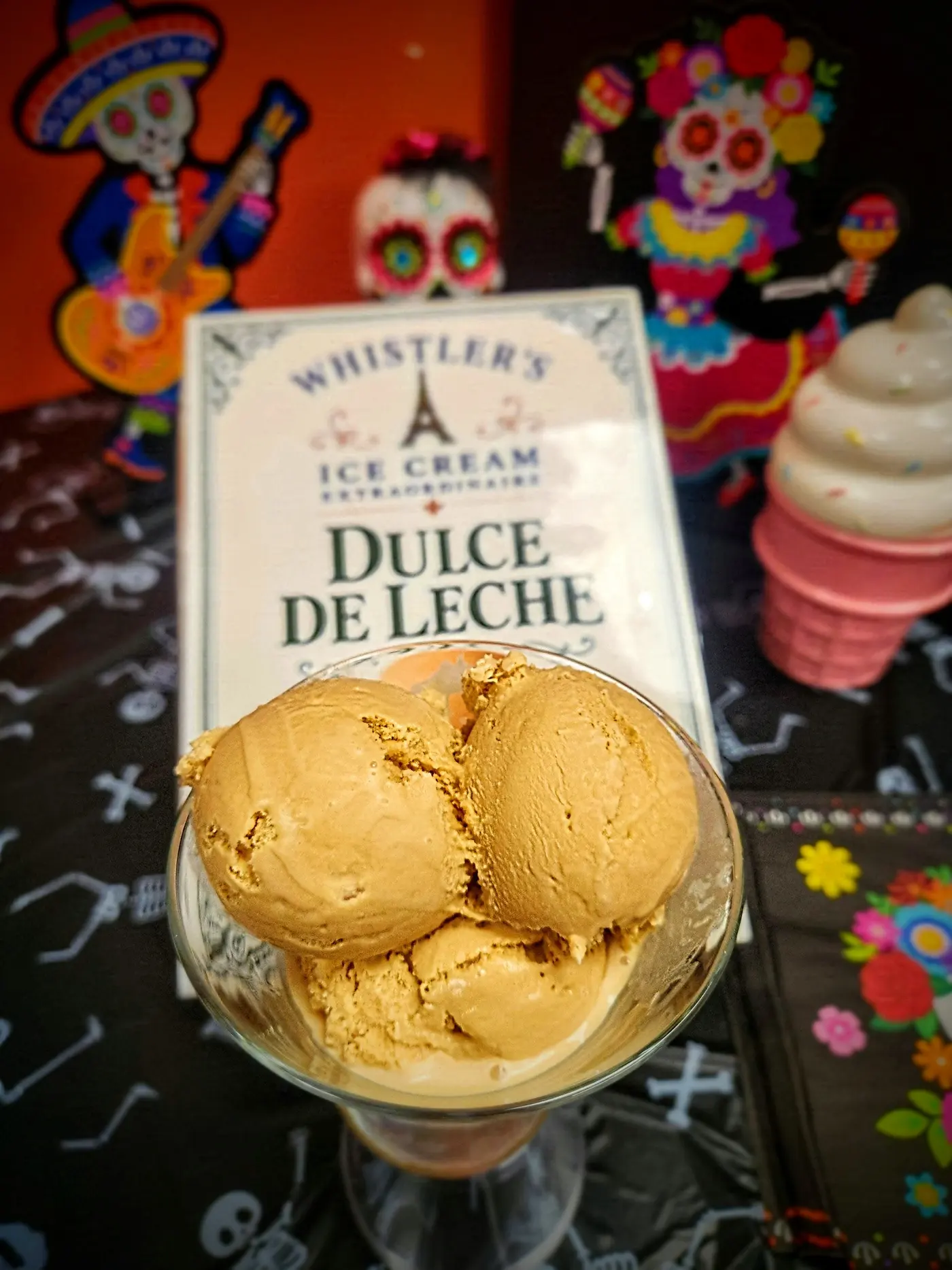
Does Frozen Custard Have Dairy? What to Know
Find out what traditional custard contains, what makes a dairy-free option different, and what to ask before ordering.
Read the article →